
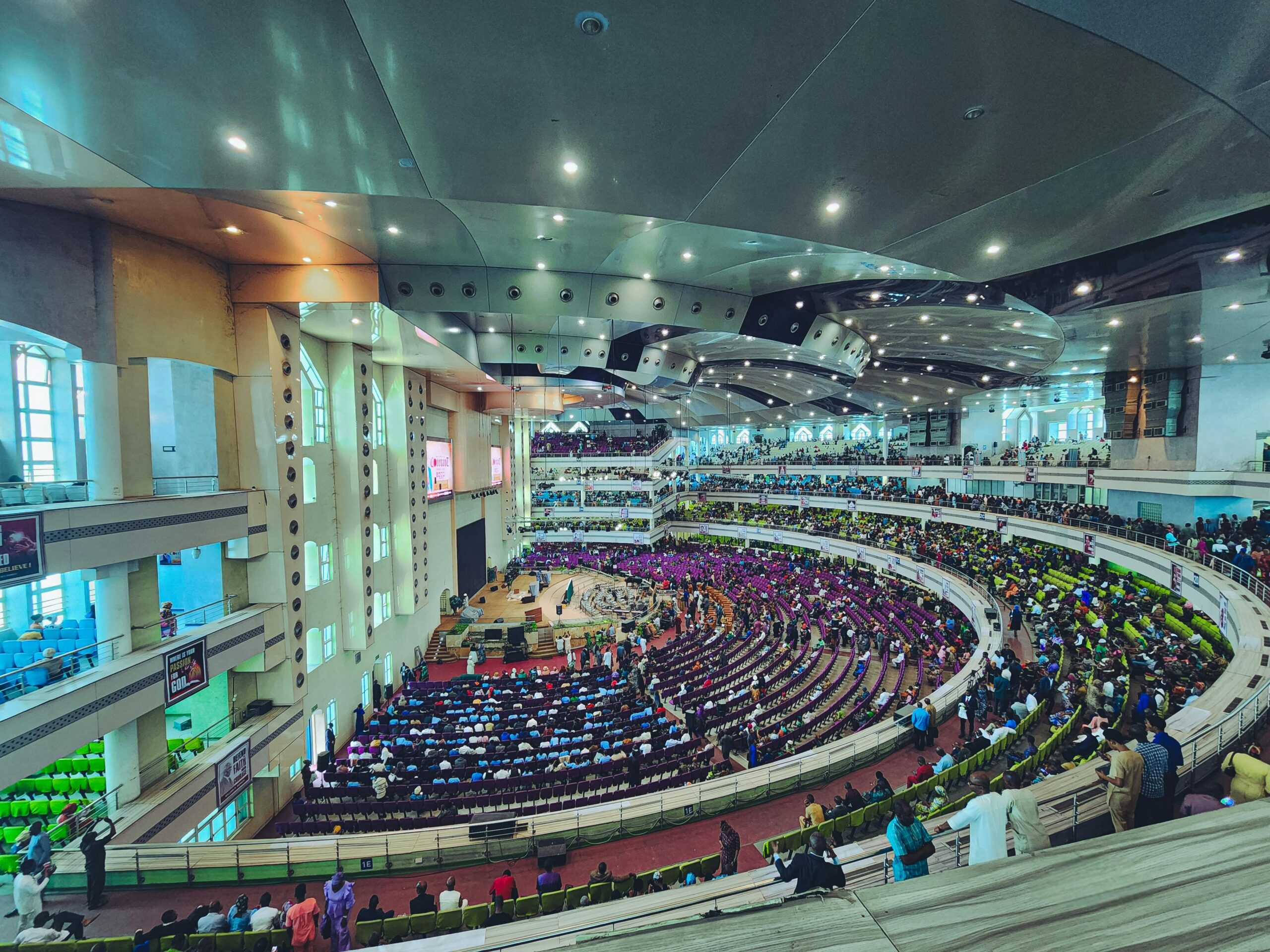
The convention and events industry is in the middle of a significant rebound. The U.S. event management market sits at $302.7 billion in 2025 and is projected to reach $471.4 billion by 2033, and 70% of planners expect in-person event volume to increase by up to 20% in 2026. With that growth comes more competition for bookings, and more pressure from clients to prove that their events actually performed.
The problem is that most venues aren’t equipped to answer that question well. Only 36% of meeting professionals use dedicated data and ROI measurement tools, and organizers still report difficulty proving event ROI even as client expectations continue to rise. Tracking the right metrics isn’t just an internal exercise. It’s what separates venues that win repeat business from venues that don’t.
Here are the metrics that matter most in 2026.
Attendance Rate vs. Registration
Registration numbers are easy to celebrate. However, attendance is the real indicator of event success. By comparing the two, venues can determine whether pre-event communication was effective, whether logistical friction kept people away, and whether the audience was genuinely committed to showing up. Additionally, attendance is one of the top three KPIs cited by event planners, alongside engagement and satisfaction. As a result, it serves as the foundation for measuring overall event success.
Revenue Per Attendee
Total event revenue without context is a vanity metric. Revenue per attendee connects financial performance to the audience served, capturing spend across registration, food and beverage, exhibitor fees, and ancillary services. The average direct spend per convention attendee in the U.S. is $1,200, which gives venues a strong benchmark for evaluating whether an event is generating the kind of economic activity it should.
Capacity Utilization
Are your spaces being activated efficiently? Capacity utilization measures how much of your available square footage is actually being used per event. Low utilization often signals a mismatch between event format and space configuration. High utilization without a strong attendee experience creates a different problem. Getting this right requires venues to understand how each space performs across different event types, which is where interactive 3D mapping tools become genuinely useful. Event planners can explore spaces room by room before they commit, which means better-matched bookings and fewer surprises on event day, leading to more event success.
Lead Generation and Follow-Up Rate
For trade shows and B2B events, lead performance is what clients care about most. 52% of business leaders say trade shows deliver the highest ROI of any marketing channel, but the data reveals a consistent gap in execution: 80% of trade show leads never receive any follow-up, and conversion rates drop sharply when follow-up happens more than 24 to 48 hours after the event. Convention centers that help clients understand and close that gap shift the relationship from vendor to strategic partner.
Exhibitor and Sponsor ROI
Exhibitors and sponsors are repeat business when they see results. Booth visit volume, dwell time, lead capture rates, and post-event conversion all feed into whether a sponsor considers the investment worthwhile. Venues that actively help exhibitors measure and improve those numbers build loyalty that shows up in signed contracts for next year.
Digital Engagement and Content Performance
Content engagement is used as an ROI metric by 65% of event professionals. Session attendance rates, app interactions, polling participation, and dwell time per session all indicate whether programming is resonating. Low engagement scores can point to several issues, including:
- Poor wayfinding
- Scheduling conflicts
- Room layout challenges
- Difficult navigation between sessions
Venues can play a major role in solving these problems. Interactive, mobile-friendly maps make it easier for attendees to navigate events in real time. Concept3D’s work with venues like the Colorado Convention Center demonstrates how better navigation tools can improve attendee engagement across the entire event footprint.
Event Turnaround Time
Operational efficiency matters too. For convention centers hosting back-to-back events, turnaround time measures how quickly spaces can be reset and prepared for the next booking.
Improving turnaround time helps venues:
- Increase scheduling capacity
- Improve client satisfaction
- Reduce operational bottlenecks
- Support staff efficiency
Tracking this metric also gives operations teams a clear benchmark for continuous improvement and event success.
Repeat Booking Rate
One of the most important event metrics isn’t tied to a single event at all.
Repeat booking rate reflects the entire client experience, from the first inquiry to the final post-event debrief. When clients return year after year, it’s a strong signal that a venue consistently delivers value, operational efficiency, and positive attendee experiences.
The Metrics That Matter in 2026
In 2026, the convention centers that stand out won’t just be the ones with the biggest spaces. They’ll be the venues that can clearly demonstrate event impact.
Tracking metrics like attendance accuracy, revenue per attendee, engagement, and repeat bookings gives venues a more complete view of performance. These insights help teams improve operations, strengthen client relationships, and create better attendee experiences.
As competition increases, data becomes a major differentiator. Convention centers that invest in the right measurement strategies and event technology will be better positioned to optimize operations, prove ROI, and secure long-term business in an increasingly results-driven industry.