
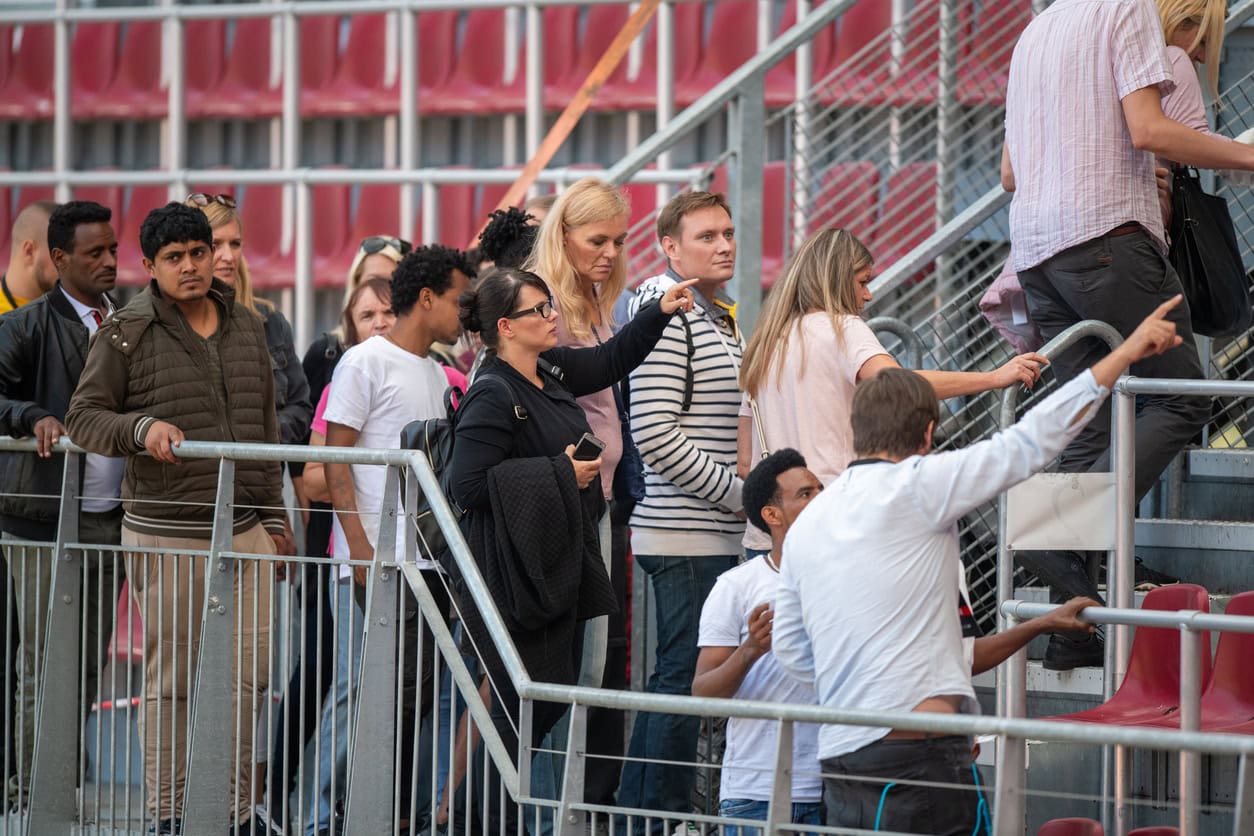
Data-driven venues are increasing satisfaction, reducing frustration, and boosting revenue with modern digital wayfinding and experience tools.
Holding a successful large-scale event for today’s demanding consumers is no easy task. Venues must offer a flexible layout, quality AV equipment, reliable Wi-Fi, effective staging and lighting, and more. Ensuring you have the equipment and capacity to host a seamless event isn’t the only worry for large venues. In the modern entertainment environment, the fan experience is just as important as the event itself. Fan experience metrics are the key to unlocking the mystery of how to create an extraordinary guest experience at any event.
Why Fan & Guest Experience Has Become a Top Revenue Lever
People of all ages are increasingly turning toward experiences instead of possessions as a way to increase happiness and build memories. The share of consumer spending on live experiences and events has increased 70% since 1987, and the trend is only growing stronger. But the rising value placed on experiences comes with rising expectations.
When people are paying for an experience, attendee expectations are high. Every little detail has the potential to delight or disappoint. To avoid the latter, venues must provide the highest possible levels of convenience and comfort. Guests expect seamless navigation, personalized recommendations, mobile convenience, and real-time updates. Get it right, and event attendees don’t just talk about their experience. They also recommend your venue to others and return frequently. Get it wrong, and they’re quick to describe exactly how your venue disappoints. They’ll even do it on social media and other public platforms, where their complaints will get the most attention.
Creating a thrilling guest experience at a large-scale event isn’t as difficult as it seems. Venues are sitting on massive operational and customer datasets. When you tap into this goldmine of information to improve the game day experience, you can gain the advantage of increased revenue at every event and long-term loyalty that keeps fans coming back.
Fan experience metrics reveal everything you need to know about delighting fans from the moment they purchase a ticket till long after they leave the gates. By tracking the right KPIs across digital, operational, and in-venue channels, large venues can:
- Reduce congestion and bottlenecks
- Increase concession and merchandise revenue
- Improve accessibility
- Boost repeat attendance
- Strengthen guest satisfaction and loyalty
- Make smarter staffing and operational decisions
Where Does This Fit Into Your Financial Goals?
If you hope to increase event revenue in the coming year, then you’ve come to the right place. Our guide shares the most important guest and fan experience metrics venues should track to ensure all expectations are met or exceeded. By placing a strong focus on wayfinding, interactive maps, and on-site navigation, you can eliminate the most common pain points for event-goers and create extraordinary guest experiences.
Pre-Event Fan Experience Metrics
The event experience begins long before attendees reach the venue. It starts online when consumers search for epic events, buy tickets, and plan their trip. From a seamless ticket purchase process to “know before you go” communications, this phase has a massive impact on attendance, perception, and operational flow.
Digital Navigation & Wayfinding Engagement
Confusion can quickly turn into frustration at a large venue when attendees don’t know where to go. Pre-event wayfinding reduces stress by directing fans to the right entrances, garages, and check-in points.
Tracking these metrics will give you insight into how useful your logistical resources really are.
- Map views per event
- Search queries on the interactive map (e.g., entrances, seating sections, parking)
- Path generation rate (how often guests request directions
- Mobile engagement vs. Desktop (maybe note that mobility is vital to using the tools at the event)
High engagement across these metrics indicates that guests rely heavily on the available digital resources to enhance the event experience. Gaps in search queries can signal missing information or unmet needs, revealing where you can make crucial improvements.
Parking & Transportation Funnel Metrics
Transportation challenges are the #1 source of fan frustration. Up to 80% of fans have left an event early to avoid traffic, and 74% say they would attend events more often if they knew they wouldn’t encounter a traffic nightmare.
Tracking these metrics will give you insight into how you’re alleviating guests’ traffic concerns.
- On-time arrival rate
- Parking search time
- Shuttle or rideshare wait times
- Pre-purchased parking passes
- Abandonment due to congestion
Smoother parking allows guests to arrive on-site earlier and spend more on concessions. It also reduces negative sentiment. All of this can increase revenue from every event.
Pre-Event Communication Performance
Providing guests with information before the event sets expectations and reduces friction upon arrival. A combination of website alerts, emails, and push notifications can provide attendees with informative maps, guides, and other information.
How do you know you’re offering helpful information? Track these metrics to determine when attendees are using the resources you offer:
- Pre-event email open rate
- Click-through rate for “Know Before You Go” guides
- Traffic to venue maps and FAQs
- Customer service inquiries per event (guests who call customer service because they’re unable to find the answers they need from your communications)
Repeated questions from guests about where to park, what’s allowed inside, or how to get to their gate indicate pre-event communication content gaps, not fan confusion. Identifying those gaps is the first step toward making improvements.
In-Venue Fan Experience Metrics

A seamless arrival is crucial for setting the tone for the ideal fan experience. But the majority of fan sentiment is formed in-venue. As a result, this is where the biggest improvements can be made.
Navigation Efficiency & Guest Movement
One of the most overlooked, yet also one of the most powerful, fan experience metrics is navigation efficiency. Navigation efficiency ensures fans reach the desired on-site locations without confusion and frustration.
Learn whether you’re meeting fans’ logistical needs after arrival by tracking:
- Average time to find a seat or destination
- Bottleneck locations identified through map analytics
- Repeat searches for the same point of interest
- ADA navigation requests
When fans spend less time lost, they spend more money, feel less frustrated, and are more likely to return, increasing revenue in multiple ways.
Concession Performance & Dwell Time
Food and beverage sales have the potential to be a major profit driver, but slow lines and inefficiency can lead to lackluster sales. Nearly 80% of MLB fans say they’ve missed a crucial or memorable play during a game while in a concessions line, diminishing their experience. Eighty percent of fans have also abandoned a concession purchase because the line was taking too long, substantially reducing potential revenue.
Find ways to reduce concession dwell time and increase revenue by tracking:
- Average wait time
- Transaction time
- Revenue per stand
- Product sell-through rate
- Line abandonment rate
Creating an environment that supports zero-click searches increases convenience and enhances satisfaction. When your interactive campus map shows concession menus and wait times, attendees can make decisions before leaving their seats, improving flow and increasing revenue.
Fan Sentiment & Real-Time Feedback
Modern venues need the power to capture sentiment during the event (not just after) to adjust offerings in real time, increasing satisfaction and reducing negative impressions that lead to poor reviews.
Track these metrics for real-time insight into the fan experience:
- In-event NPS
- Social sentiment monitoring
- Keyword triggers, such as “line,” “lost,” “parking,” “can’t find”
- Line survey participation
- Complaint-to-resolution time
Real-time insights enable venues to deploy staff during the event, minimizing negative experiences. Immediate responses to fan inquiries or issues can then boost satisfaction by up to 40%.
Accessibility Experience Metrics
Accessibility is no longer optional. It’s a legal compliance concern and a core driver of revenue and reputation. By creating an equitable experience for all attendees, venues can promote inclusivity and increase physical and digital accessibility. However, accessible facilities aren’t truly accessible unless users can easily find and use them.
Track these metrics to ensure your event is accessible to all attendees.
- ADA navigation usage
- Request volume for mobility services
- Accessible seating satisfaction scores
- Complaints related to access or wayfinding
High levels of ADA map usage can suggest inconsistencies between physical and digital signage. Identifying inconsistencies offers an opportunity for high-impact fixes that will immediately improve the fan experience.
Post-Event Fan Experience Metrics

The fan experience doesn’t end when the event does. Your attention to fan experience metrics shouldn’t end there either. After an event, attendees are mulling over their experience and sharing information with others. Sending out surveys during this period unlocks access to valuable big-picture data about what shaped the experience.
Post-Event Feedback & NPS
Post-event surveys reveal what truly shaped fan perceptions. Survey questions should allow you to track the following metrics:
- Overall satisfaction score
- Likelihood to return
- Likelihood to recommend
- Sentiment by category (navigation, parking, concessions, cleanliness, staff)
Sending surveys within 24 to 48 hours of the event allows you to capture more accurate information because the experience is still fresh.
Customer Support Volume After Events
Customer support tickets offer valuable insight into issues that diminish the event experience. High volumes of complaints in a specific area highlight content gaps you can address.
Common indicators of friction include:
- Lost item reports
- Ticketing confusion
- Parking issues
- Mobile pass failures
- Navigation complaints
By tracking these issues over time, you can get a clear view of operational improvements or worsening trends.
Revenue & Repeat Attendance Indicators
Experience and revenue are directly connected. Delight fans, and they’ll return frequently and recommend your venue to others.
How do you know if your event will inspire attendees to return? Track these fan experience metrics to get an idea of what to expect.
- Repeat attendance rate
- Season ticket renewal rate
- Return visits per customer
- Incremental revenue from mobile engagement (parking, concessions, merch)
Great experiences increase lifetime fan value and also turn loyal guests into ambassadors for your venue.
Digital Experience Metrics Modern Venues Can’t Ignore
Digital behavior reveals friction before you learn about issues through customer complaints. Attendees turn to digital resources to solve problems in real-time. Keeping track of top searches entered in your digital map enables you to address common wayfinding issues proactively.
Most-Searched Points of Interest
Search trends highlight areas where attendees need the highest levels of communication. Tracking your most frequently searched locations allows you to identify information gaps and make any necessary improvements.
Fans frequently search for:
- Entrances
- Restrooms
- Seating sections
- Parking lots
- Concessions
- ADA routes
Identifying the most common searches at your venue provides insight into where signage or communication needs improvement.
Lost vs. Found Behavior in Digital Maps
Repeated searches of the same location or regenerations of the same path are a sign that fans can’t easily find what they’re looking for. Repeat searches aren’t necessary when your digital map provides clear logistical information.
Repeat searches indicate:
- Poor signage
- Confusing stadium layout
- Insufficient staff direction
- Broken or hidden access routes
Addressing these issues improves navigation, helping attendees spend less time navigating your venue and more time enjoying the event.
Search Volume Trends
Monitoring high-volume search trends is the best way to learn what fans want and how to make necessary adjustments.
Making trend monitoring part of helps venues adjust:
- Staff deployment
- Concession hours
- Cleaning schedules
- Re-routing instructions
By anticipating what guests want, you can create a positive environment before complaints arise.
The Fan Experience Dashboard: What the Best Venues Use
Tracking fan experience metrics provides comprehensive insight into how every working part of your venue can serve guests seamlessly. Meeting the demands of modern large venue management requires a unified data hub for full visibility into every aspect of the fan experience. A comprehensive stadium management system with a user-friendly dashboard enables even the largest venues to run events smoothly and deliver an exemplary fan experience.
An effective fan experience dashboard consolidates data into a central hub used by everyone, including:
- Guest Services
- Operations
- Facilities
- Marketing
- Concessions
- Security
- Event Management
Core Components of a Best-in-Class Dashboard
Modern stadium management systems use indoor mapping and mobile location services to guide guests directly to their desired locations. A comprehensive dashboard provides real-time insight into how fans use digital resources to enhance convenience and reduce stress.
Your dashboard should provide insight into:
- Real-time arrival and paring data
- Wayfinding usage
- Top map searches
- Navigation errors
- Concession wait times
- Social sentiment scores
- Mobile app or site engagement
- Survey results
- Staff response times
This transforms the fan experience from guesswork into a measurable, repeatable operational process. Venue owners and event teams can use fan experience metrics to continually improve event experiences to meet or exceed guest expectations.
How Concept3D Supports Fan & Guest Experience Measurement
Concept3D is a connected suite of solutions that enhances the fan and guest experience by bringing your location to life with interactive maps, digital tours, a comprehensive event calendar, and more.
Our interactive mapping solutions allow large venues to provide customized mapping solutions delivered on any device to show fans everything the venue has to offer. By putting your entire campus at your guests’ fingertips, you can eliminate uncertainty and reduce friction points. This proactive management creates a seamless experience that allows fans to focus on the event they paid to see. By analyzing data from these digital resources, you can identify pain points and make improvements that increase event revenue.
Concept3D’s interactive maps and wayfinding solutions help stadiums, arenas, and large venues:
1. Understand What Fans Need Before They Ask
Analytics from user searches and wayfinding paths reveal real behaviors, taking the guesswork out of highlighting the amenities fans seek at large-scale events. You can use high-volume search queries to:
- Identify where to add signage
- Enhance map details
- Make your venue more accessible
2. Reduce Friction, From Arrival to Departure
Your fans need to get from parking to their seats, figure out how to find restrooms, and choose concessions without distracting delays. Wayfinding solves confusion around entrances, seating, concessions, and ADA access by providing guests with turn-by-turn directions and paths on their chosen devices.
3. Improve Accessibility
Incorporating ADA-friendly routes and designing specialized map layers ensures inclusive navigation, so all guests can enjoy the same level of convenience when navigating your campus. Event attendees use maps to find accessible entry points, restrooms, parking spots, seats, and more.
4. Increase Revenue
Clear navigation saves time, freeing up fans to spend more time buying concessions and merchandise. As a result, guests spend more at every event, increasing revenue and encouraging return visits.
5. Strengthen Digital Communication
Putting information in ticket buyers’ hands before they arrive at the venue increases confidence and reduces stress upon arrival. With Concept3D, you can include a personalized wayfinding URL. Alternatively, you can embed maps in pre-event emails, mobile apps, venue websites, and “Know Before You Go” guides. These easy access points provide guests with crucial information to avoid potential delays and friction points.
6. Deliver Insights Across Departments
Siloed departments create information gaps, making it difficult for event attendees to find the amenities that enhance guest experiences. Concept3D maps create a comprehensive hub that serves operations, guest services, concessions, marketing, and facilities, enabling event teams to connect insights across departments for seamless fan experiences.
Experience Metrics Are Now a Competitive Advantage
Gut instinct and individual complaints are no longer enough to give large venues insight into the fan journey. Fan experience metrics give stadiums the measurable data they need to reduce friction, speed up navigation, and improve crowd flow. These improvements deliver a memorable fan experience every time—increasing loyalty and boosting revenue from every event. Modern large venue management tools, such as digital wayfinding and interactive maps, give venues the technology to turn data into action, making every game, concert, and event smoother and more enjoyable, enhancing fan experiences and increasing revenue at every event.